
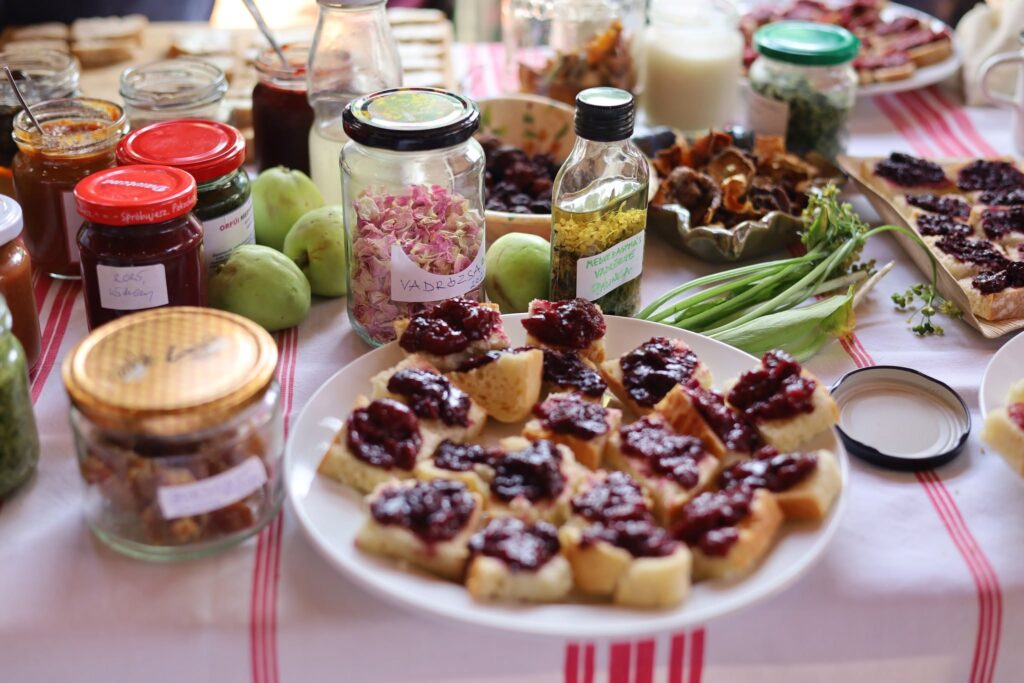
Nourishing Wilderness
Erasmus+ KA210-ADU small-scale partnership,
2024-2-HU01-KA210-ADU-000276849, 1 February 2025 – 31 July 2026.
Partner: Fundatia pentru Calitatea Vietii – Ardeal (Transylvania, Romania)
About the project
Nourishing Wilderness was an Erasmus+ small-scale partnership that ran from February 2025 to July 2026. Its aim was to create a practical, experience-based training system for getting to know wild edible plants and passing this knowledge on, primarily for rural communities.
The project grew out of a simple observation: while more and more people are interested in sustainable living, self-sufficiency and local food, the traditional knowledge of wild edible plants is gradually being lost. We wanted to create a modern learning opportunity that brings together natural history, nutrition, gastronomy and ecology, and that participants can pass on in their own communities.
Who we are
The project was coordinated by Mindenegyüttmegy Egyesület (MEGY, Balaton Uplands, Hungary), with Fundatia pentru Calitatea Vietii – Ardeal (Foundation for Quality of Life, Transylvania, Romania) as partner. The different flora, land use and traditions of the two regions complemented each other in the joint work. Through ecological and gastronomic focus groups, we involved external experts, holders of local knowledge, and professionals working in gastronomy and food production in shaping the content.
What we created
- A 62-hour introductory training in eight modules: the link between landscape and nutrition, edible plants of the four seasons, sustainable foraging and use, gastronomic possibilities, the ecological role of plants, and methods for passing on the knowledge. The training combines field sessions with online learning.
- A training handbook with a methodological supplement in Hungarian, Romanian and English, plus gastronomic recommendations with a recipe collection.
- A 20-hour e-learning course: 18 short videos, podcasts, quizzes, exercises, a virtual nature trail and 30 plant cards in Hungarian and English.
- A beginner-level field guide to wild edible plants in Hungarian, covering more than 70 plants. On the advice of the experts involved, it was developed as an expanded version of the 30 plant cards originally planned.
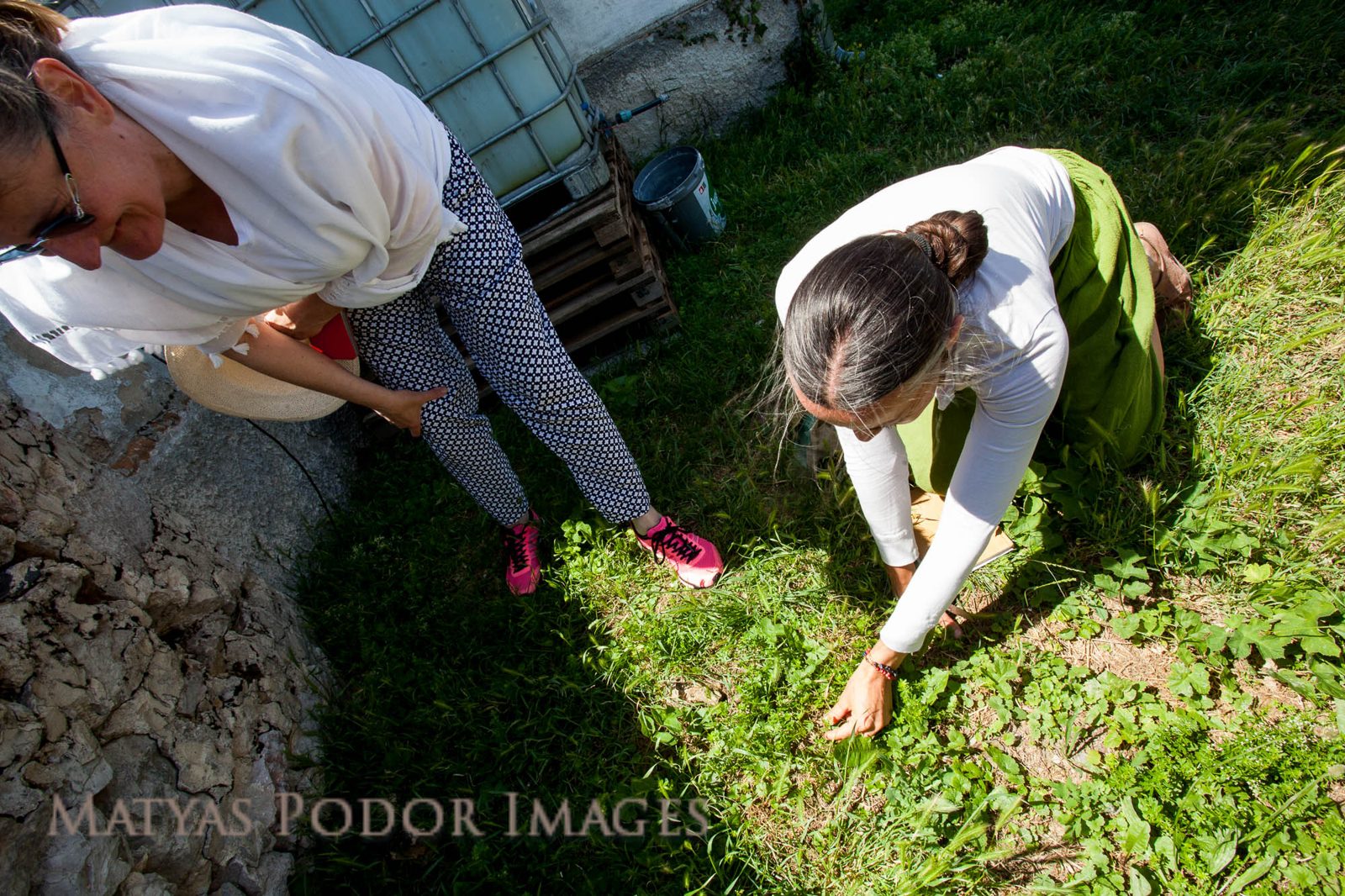
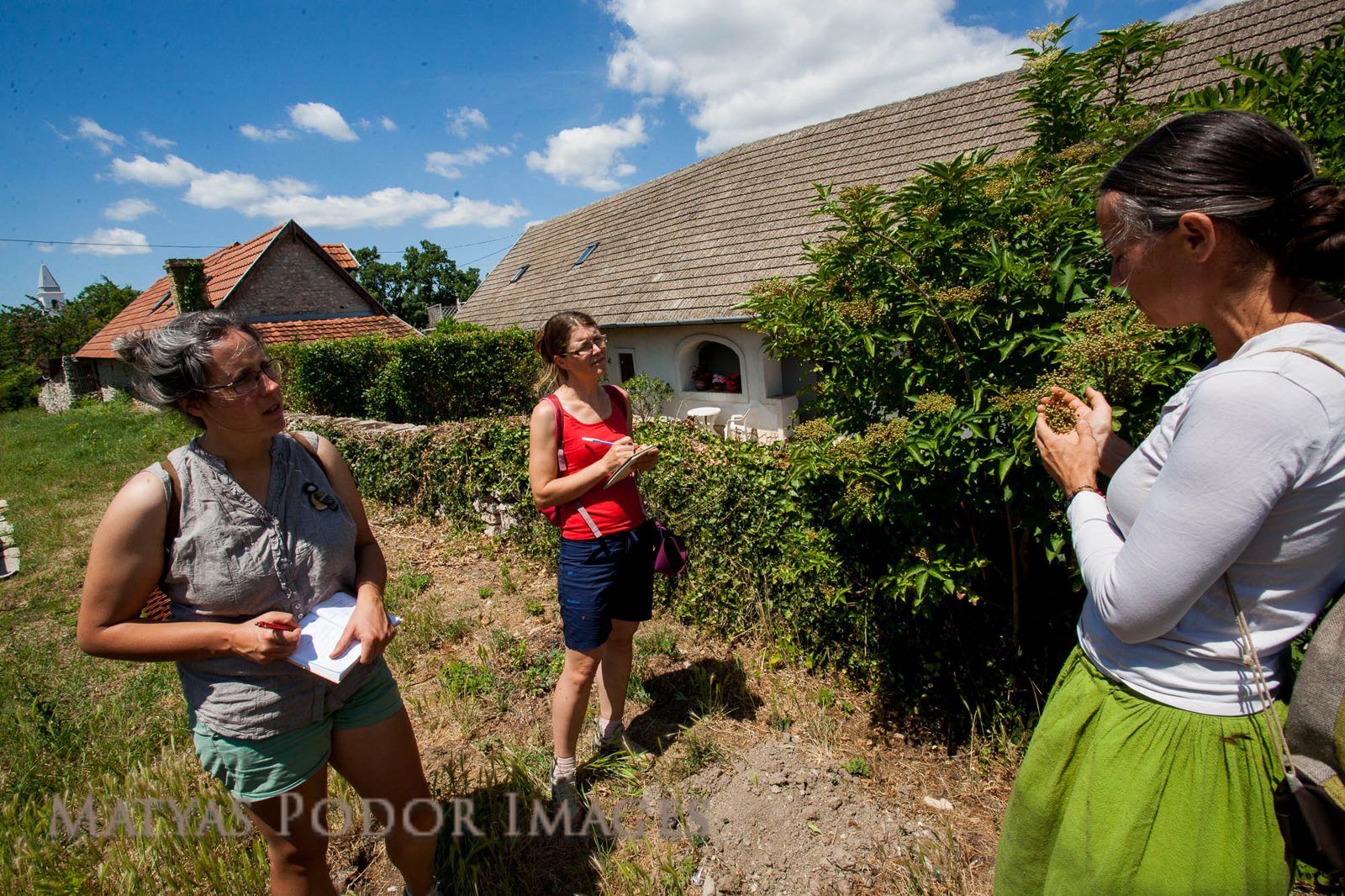
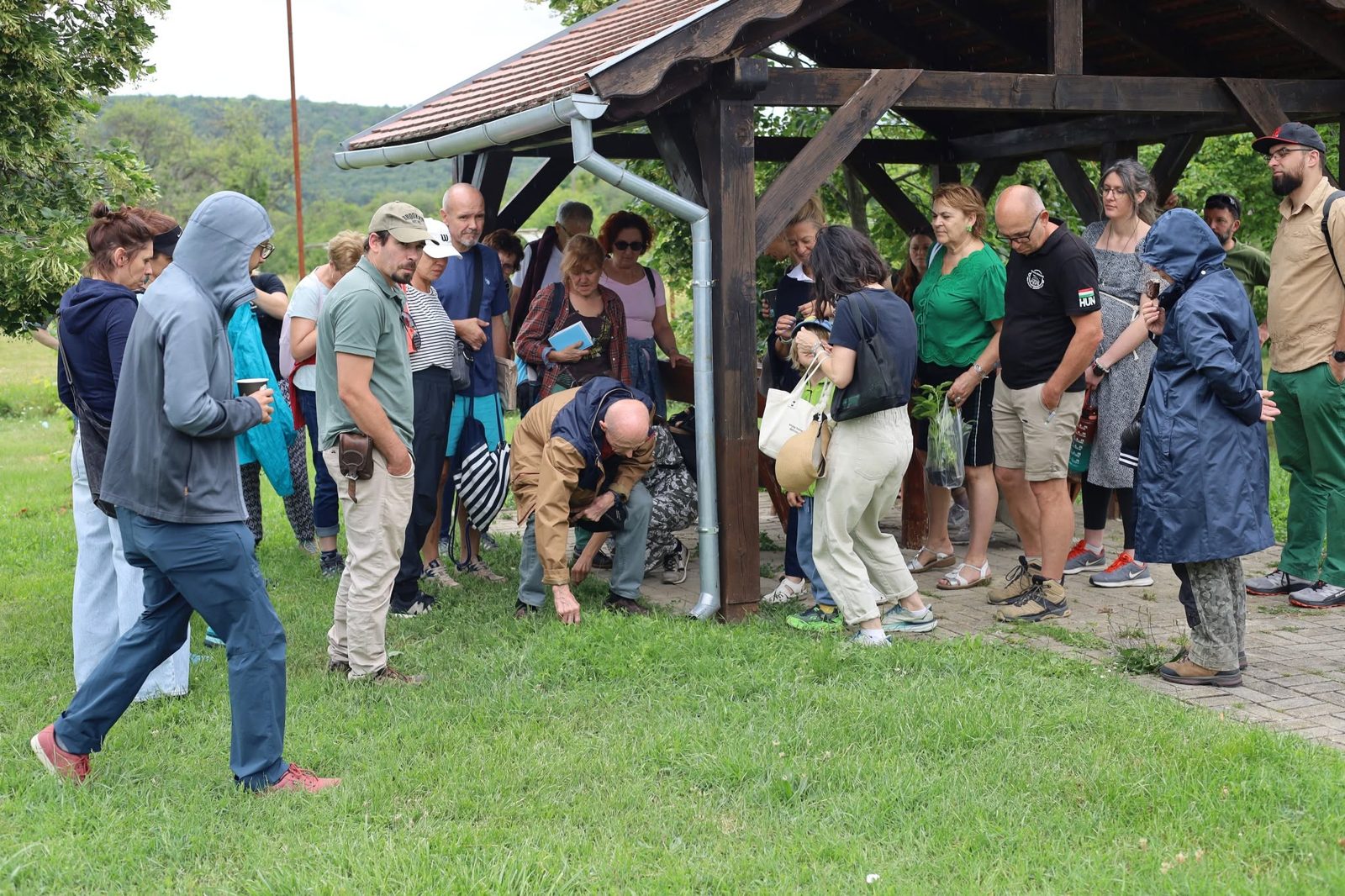
A core principle of the training is that plants are best learned in their own habitats, in the field, in practical situations. Experiential learning and fieldwork were therefore central throughout.
Tested and refined through feedback
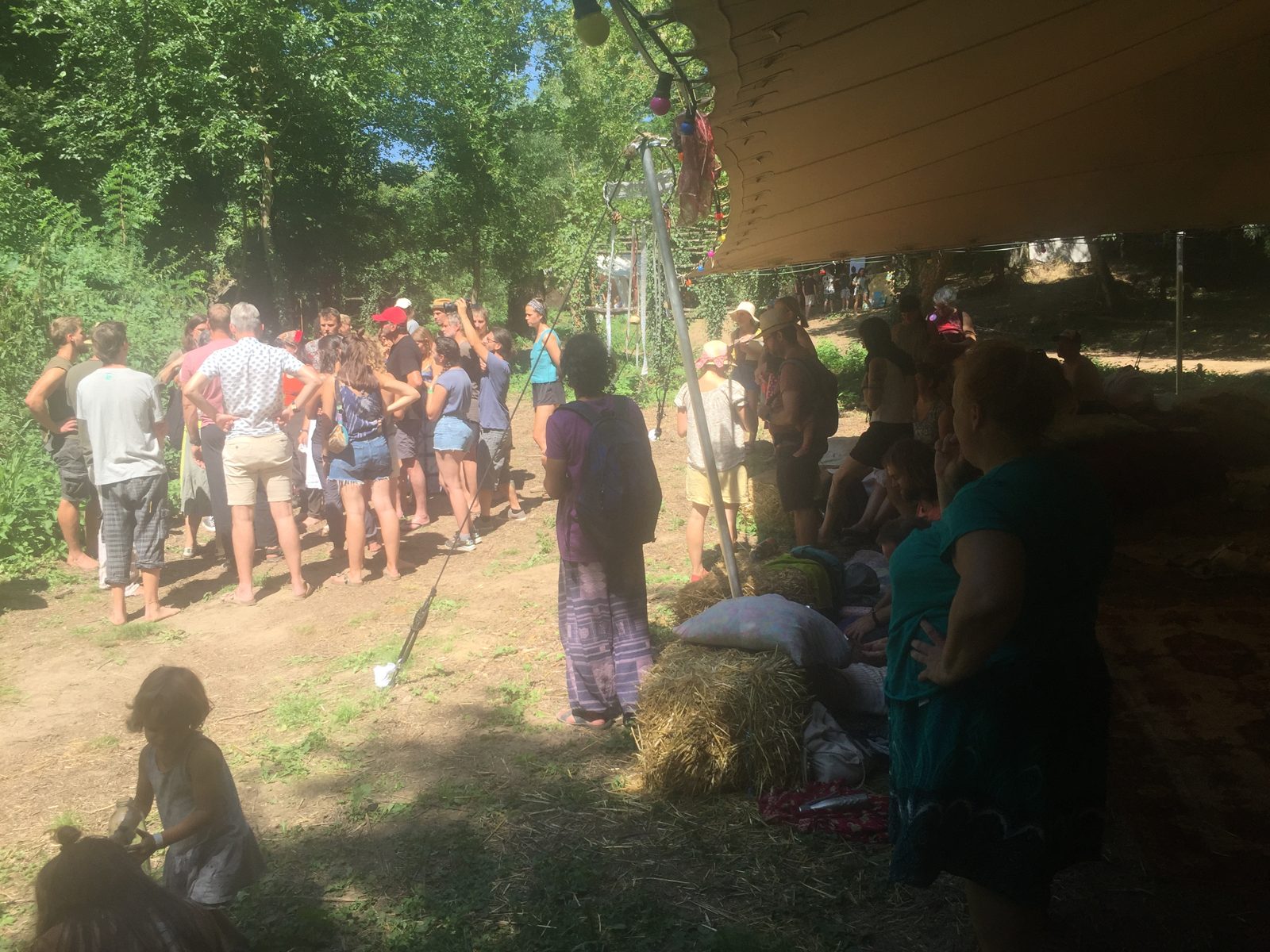
We piloted the training in Hungary and Romania with 27 participants, and the number of applicants exceeded the places available. After every session we gathered experiences through questionnaires and conversations, and used them to further develop the content and methods. Several participants started organising their own wild edible plant programmes for children and adults during the project.
Who it is for
The training is designed for “hub” people living in rural areas who, through their work or community activities, connect with many others: staff and volunteers of civil society organisations, environmental educators, community organisers, teachers, members of eco-communities, gastronomy professionals, small-scale producers, organisers of nature programmes and content creators. The aim is not to turn everyone into a plant expert, but to give them a solid foundation in wild edible plants and the ability to pass this knowledge on.
The project in numbers
- 62-hour curriculum, 8 modules
- 27 trained participants (14 from Hungary, 13 from Transylvania)
- 8 multiplier events with 376 participants
- 4 focus groups with 97 professionals
- more than 70 plants in the field guide
- 3 languages: Hungarian, Romanian, English
What lives on
The learning materials, the handbook, the e-learning system, the field guide and the virtual nature trail remain usable beyond the project period. During the project we received enquiries from training providers, universities, local authorities and farmers’ markets, and in several places there was demand for continuing the training. In Romania, a follow-up building on the project results has already started; in Hungary, the next training is planned for 2027. We learned a lot ourselves: our skills in curriculum development and training organisation grew, we gained experience in online teaching, and two new trainers joined the teaching team on the Hungarian side.
The most important goal of Nourishing Wilderness was for knowledge to travel on: from the landscape to people, and from people to new communities.

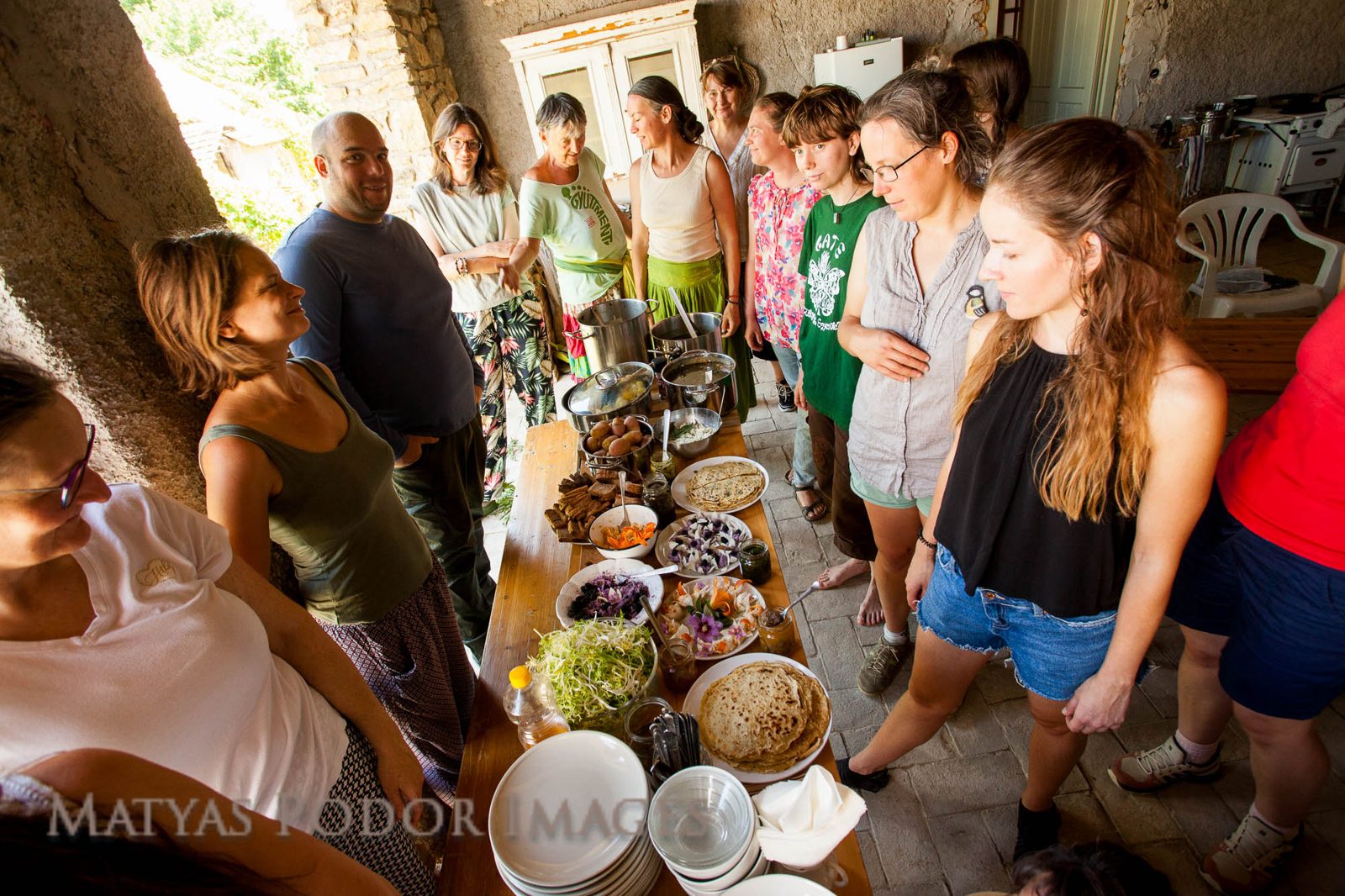
Study trip to Transylvania with members and partners of the Foundation for Quality of Life and Mindenegyüttmegy Egyesület.
- 62hour curriculum8 modules, field and online learning
- 27trained participants14 from Hungary + 13 from Transylvania
- 8multiplier eventswith 376 participants
- 4focus groupswith 97 professionals
- 70+plantsin the field guide
- 3languagesHungarian, Romanian, English
Project results
The project results are free to download and, under an open licence, may be freely used, shared and adapted. Please credit the source: Nourishing Wilderness, Mindenegyüttmegy Egyesület and Fundatia pentru Calitatea Vietii – Ardeal, Erasmus+ 2024-2-HU01-KA210-ADU-000276849.
-
Training
Training curriculum
A 62-hour introductory training in eight modules: objectives, content, methods, field and online sessions, assessment.
-
Handbook
Training handbook
Learning material for the eight modules, for trainers and participants: plant knowledge by season, sustainable foraging, ecology, gastronomy, passing on the knowledge.
-
Methodology
Methodological supplement
Games, exercises and facilitation tools from the training sessions: how to teach wild plant knowledge through experience.
-
Gastronomy
Gastronomic recommendations and recipe collection
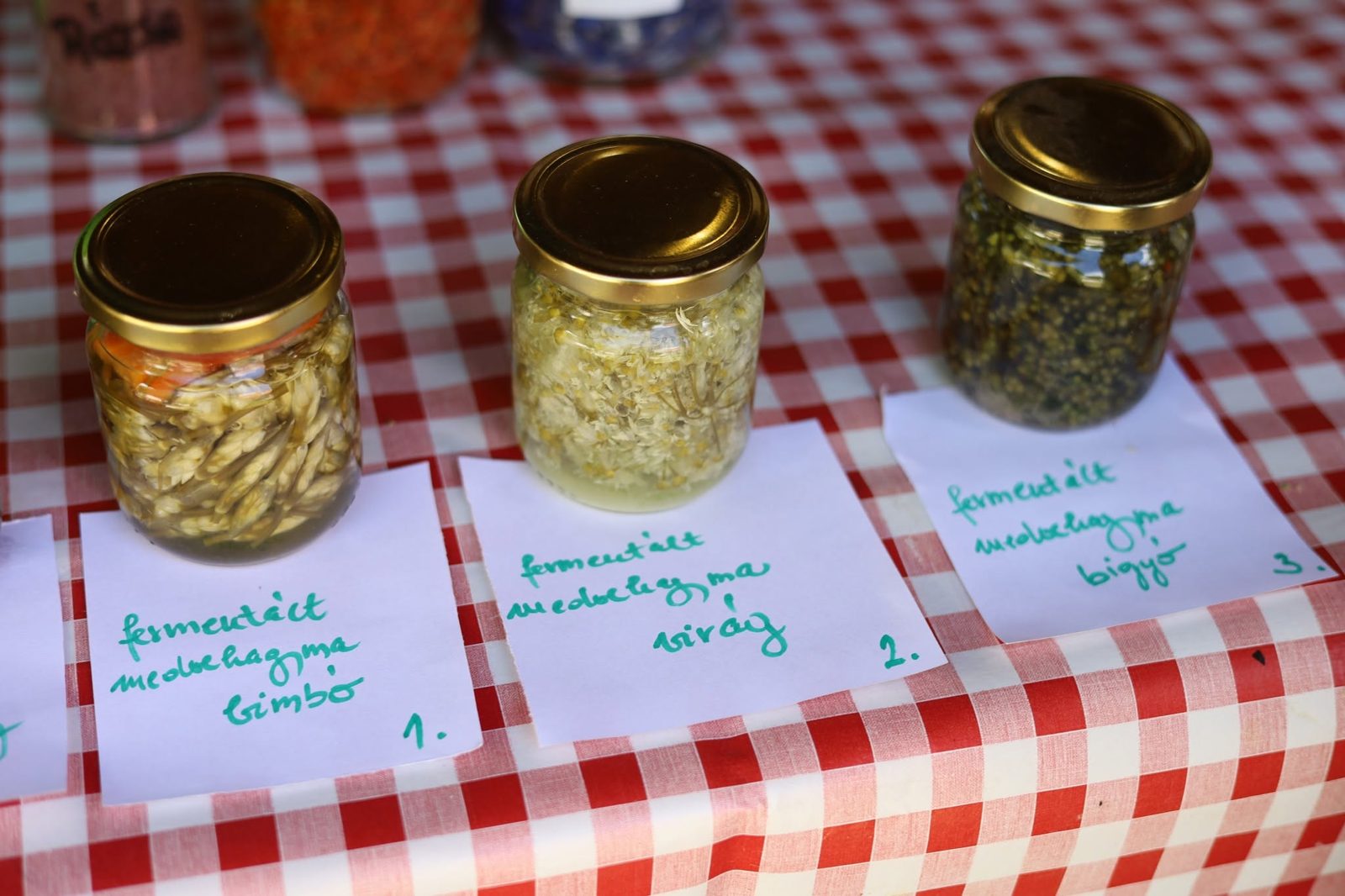
Wild edible plants in the kitchen: principles, processing, and recipes for the dishes cooked during the training.
-
Plant knowledge
30 plant cards
Thirty common wild edible plants, one page each: identification, harvesting season, uses, look-alike species.
-
Plant knowledge
Field guide to wild edible plants
A beginner’s field guide in Hungarian presenting more than 70 plants, for use in the field. The full digital version is freely available; the printed book will be published in 2026.
-
Field
Virtual nature trail
A self-guided nature trail in the Balaton Uplands: description, methodology, map and GPS points, with a short questionnaire at the end.
-
Online
E-learning course
A 20-hour online course: 18 short videos, podcasts, quizzes, exercises and modules for the four seasons. Freely accessible, no registration needed.
-
Video
Videos and podcasts
The story of the project, conversations with trainers and recordings of training sessions on our YouTube channel.
The project results are also available on the Erasmus+ Project Results Platform and on EPALE. Funded by the European Union. Views and opinions expressed are however those of the author(s) only and do not necessarily reflect those of the European Union or the Tempus Public Foundation. Neither the European Union nor the granting authority can be held responsible for them.
About the next training
The Nourishing Wilderness introductory training opens up the world of wild edible plants: what, when, where and how to forage safely and sustainably, how to use these plants in the kitchen, and what role they play in the landscape and the ecosystem. The 62-hour training is blended: field sessions linked to the four seasons and e-learning material complement each other. The first training year, 2025/2026, has been completed in Hungary and Transylvania.
What does the training offer?
- Field plant knowledge from spring to winter: identification, look-alike species and harvesting seasons, in the plants’ own habitats, with expert guidance.
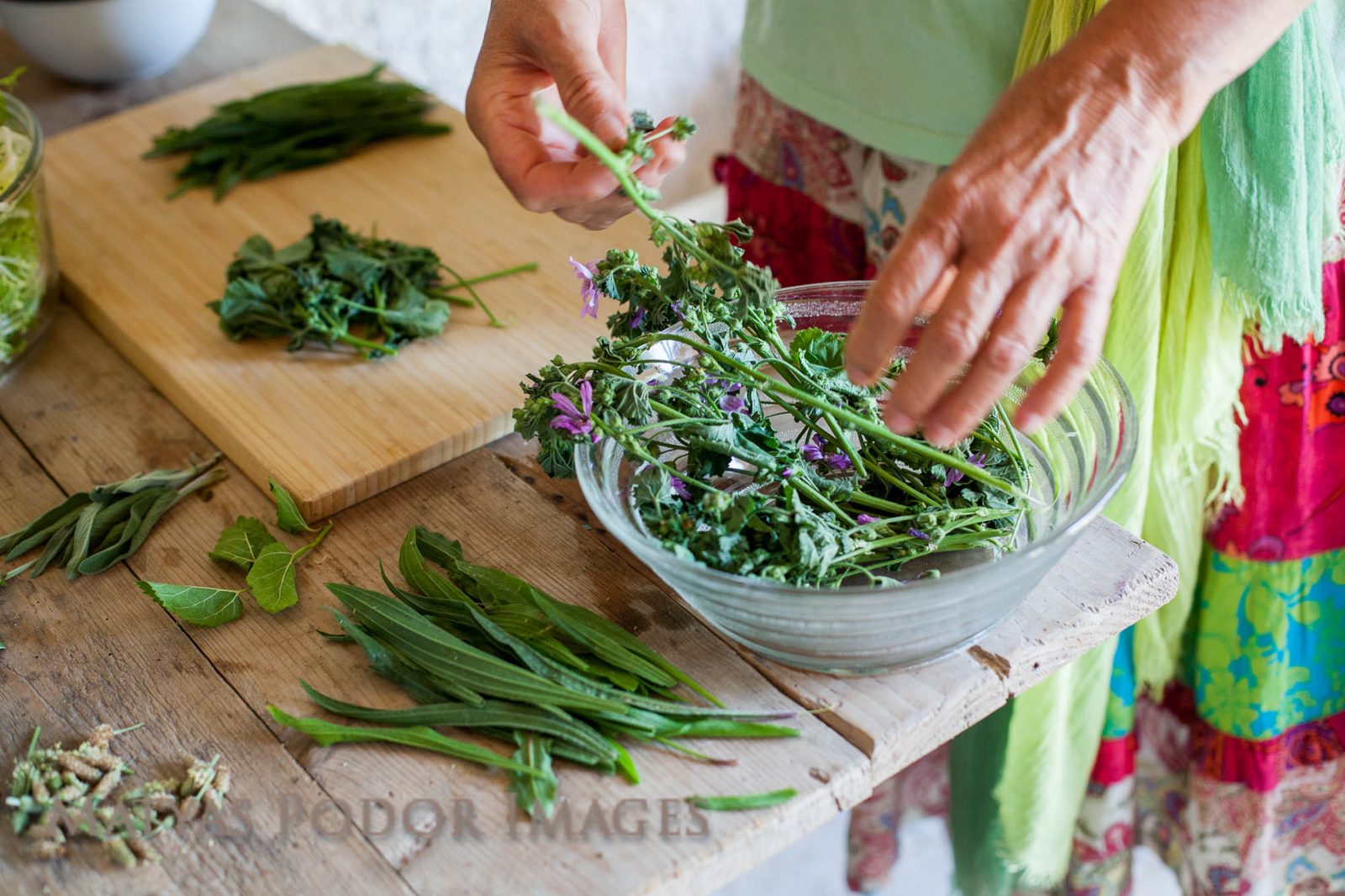
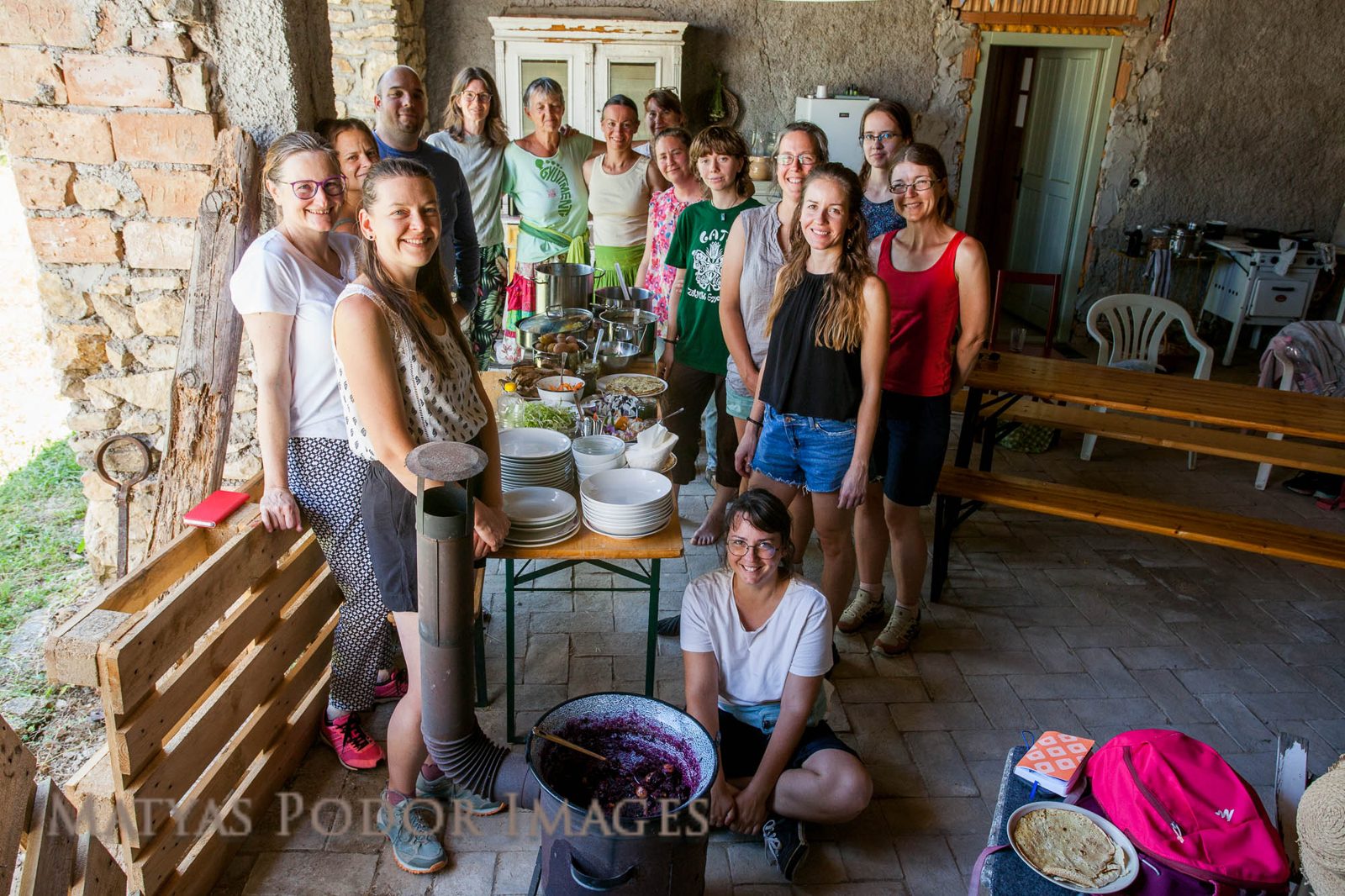
- Gastronomic practice: cooking and tasting together at the training sessions, plus a recipe collection.
- An ecological perspective: the rules of sustainable foraging and the role of plants in the landscape.
- E-learning: a 20-hour online course with short videos, podcasts, quizzes and a virtual nature trail, at your own pace.
- Methods for passing on knowledge: games and exercises so you can use what you have learned in your own community.
- A handbook, a field guide and a community that stays together after the training.
Who is it for?
For “hub” people living in or connected to rural areas who reach many others: staff and volunteers of civil society organisations, environmental educators, community organisers, teachers, members of eco-communities, gastronomy professionals, small-scale producers, organisers of nature programmes and content creators. No prior knowledge is needed; the training starts at beginner level. The aim is not to make you a plant expert, but to give you a solid foundation and the ability to pass on what you have learned.
Trainers
The professional staff of Mindenegyüttmegy Egyesület, Zsófia Németh and Regina Csatlós, together with Dr Ibolya Németh (Biobia), who takes part in the in-person sessions as an expert and mentor. The Transylvanian group is led by the trainers of our partner, the Foundation for Quality of Life (Fundatia pentru Calitatea Vietii – Ardeal).
What’s next?
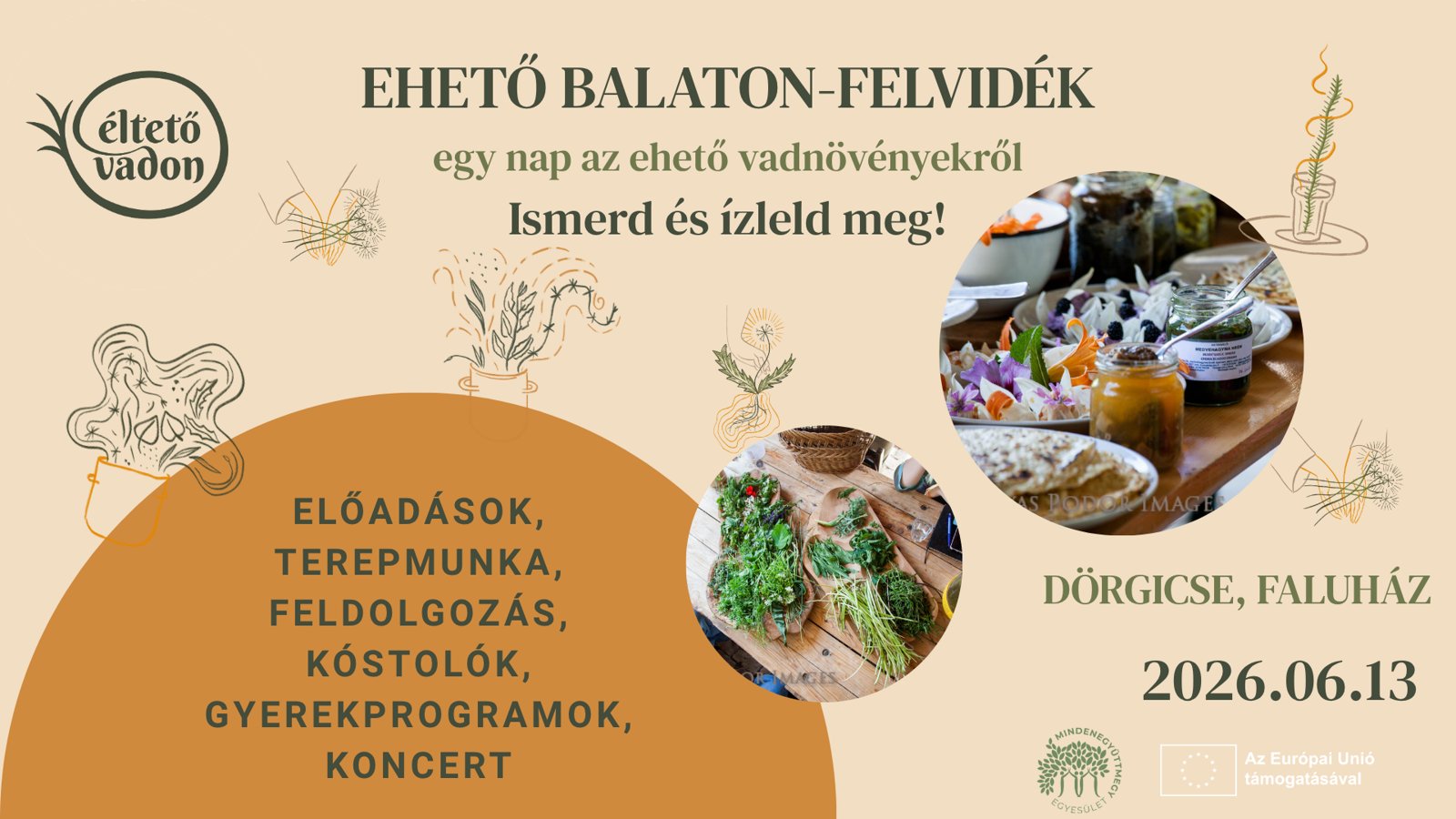
In Romania, our partner has already launched the next training building on the project results. In Hungary, the next training year is planned for 2027; if you don’t want to miss it, join the list of interested people. Until then, the e-learning course is freely available to everyone, without registration (in Hungarian).
Videos
Nourishing Wilderness playlist · 6 videos, in Hungarian
-
 Ádám Bóday: The microbiome and wild edible plants
-
 Dr Péter Babulka: The importance of wild edible plants in a varied diet
-
 Nourishing Wilderness: a conversation with Mónika Pakot, Zsófia Németh and Regina Csatlós
-
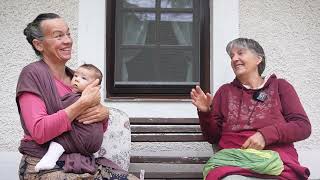 Nourishing Wilderness: a conversation between Ibolya Németh (Biobia) and Regina Csatlós
-
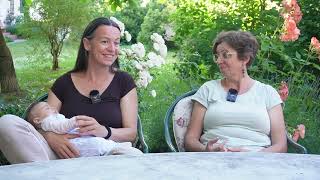 Nourishing Wilderness: a conversation between Mónika Pakot and Regina Csatlós
-
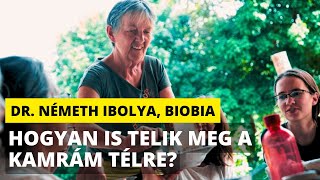 Dr Ibolya Németh, Biobia: How does my pantry fill up for winter?
Partnership
Nourishing Wilderness was carried out by two organisations, in the Balaton Uplands in Hungary and in Transylvania in Romania. The different flora and traditions of the two regions complemented each other in the joint training, and the training continues in both countries.
Mindenegyüttmegy Egyesület
MEGY coordinated the project, led the development of the curriculum, the handbook and the e-learning course, and ran the Hungarian pilot training, the focus groups and the events in Hungary in the Balaton Uplands. The next training in Hungary is planned for 2027.
megyesulet.hu
Foundation for Quality of Life – Transylvania
Fundatia pentru Calitatea Vietii – Ardeal
The Transylvanian partner hosted the opening international meeting, led the pilot training in Transylvania and the events in Romania, produced the Romanian translation of the handbook, and proposed the idea of the field guide. In Romania, our partner is already continuing the training, building on the project results.
Nourishing Wilderness on the partner’s site (in Hungarian)Erasmus+ KA210-ADU small-scale partnership in adult educationProject number: 2024-2-HU01-KA210-ADU-000276849. Period: 1 February 2025 to 31 July 2026. Funded by the European Union through the Tempus Public Foundation.
Funded by the European Union. Views and opinions expressed are however those of the author(s) only and do not necessarily reflect those of the European Union or the Tempus Public Foundation. Neither the European Union nor the granting authority can be held responsible for them.
The project results (curriculum, handbook, methodological supplement, gastronomic recommendations, plant cards, virtual nature trail) may be freely used, shared and adapted under the Creative Commons BY-SA 4.0 licence, with attribution and under the same terms. The field guide is available under the CC BY-NC-SA 4.0 licence and may not be used for commercial purposes. Attribution: Nourishing Wilderness, Mindenegyüttmegy Egyesület and Fundatia pentru Calitatea Vietii – Ardeal, 2026.